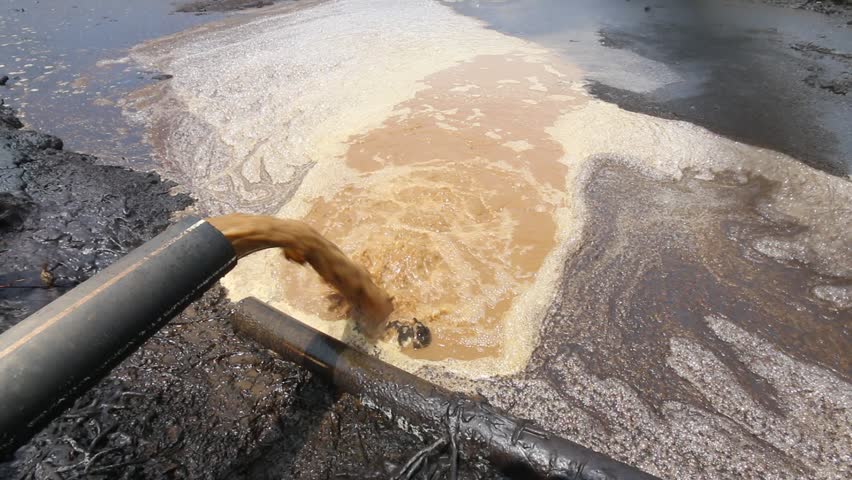
Palm Oil Mill Effluent (Pome) Treatment System / Generating Electricity from Biogas from Palm Oil Mill ... : Biological treatment pond system has been adopted by malaysian palm oil mills to treat palm oil mill effluent (pome).
Palm Oil Mill Effluent (Pome) Treatment System / Generating Electricity from Biogas from Palm Oil Mill ... : Biological treatment pond system has been adopted by malaysian palm oil mills to treat palm oil mill effluent (pome).. Even with the high amount of profit gained to the nation, a huge amount of highly polluting wastewater; It incorporates different fluids, dirt, leftover oil and suspended solids. Various tertiary pome treatment technologies have been introduced, they are not without disadvantages. Pome consists of water soluble components of palm fruits as well as suspended materials like palm fibre and oil. At optimum ph (ph 4) and temperature (40°c) conditions, the.
This liquid waste combined with the wastes from steriliser condensate and cooling water is called palm oil mill effluent. Pome in its untreated shape is a high quality waste, relying upon the operation of the procedure. At an average, about 0.1 tonne of raw palm oil mill effluent (pome) is generated for every tonne of fresh fruit bunch (ffb) processed. Despite its biodegradability, pome cannot be discharged without first being treated because pome is acidic and has a very high biochemical oxygen demand (bod). However, the concomitant production of highly polluting palm oil mill effluent (pome) has resulted deleterious environmental hazards.
Stock Video Clip of Palm oil mill effluent (POME ... from ak7.picdn.net The direct discharge of palm oil mill effluent (pome) into river causes serious environmental pollutions due to its high content of organic matter which causes depletion of oxygen in water bodies. Pome in its untreated shape is a high quality waste, relying upon the operation of the procedure. Ponding system or land application techniques are widely used at industrial scale to treat palm oil mill effluent (pome) prior to discharge to the environment. Pome is considered as one of the major problems that has generated voluminously from the palm oil industries. The anaerobic process generates methane (greenhouse gas), emitting it into the surrounding atmosphere. The direct discharge of the palm oil mill effluent (pome) wastewater causes serious environmental pollution due to its high chemical oxygen demand (cod), total suspended solids (tss) and biological oxygen demand (bod). Both contain some level of unrecovered oils and fats. The identical characteristics of palm oil mill effluent (pome) and olive mill wastewater (omw) render the possibility of treating these wastes using the similar treatment method.
The conventional ways for pome wastewater treatment have both economical and environmental disadvantages.
Pome in its untreated shape is a high quality waste, relying upon the operation of the procedure. Palm oil mill effluent (pome) which is highly polluting effluent is becoming a major problem to environment as if it not being treated well before discharged based on standard limit imposed by the malaysian department of environment (doe) for effluent discharged. The direct discharge of the palm oil mill effluent (pome) wastewater causes serious environmental pollution due to its high chemical oxygen demand (cod), total suspended solids (tss) and biological oxygen demand (bod). The direct discharge of palm oil mill effluent (pome) wastewater causes serious environmental pollution due to its high chemical oxygen demand (cod) and biochemical oxygen demand (bod). Ponding system or land application techniques are widely used at industrial scale to treat palm oil mill effluent (pome) prior to discharge to the environment. A review of palm oil mill effluent (pome) water treatment 12 j.c. The conventional ways for pome wastewater treatment have both economical and environmental disadvantages. Coagulants and coagulant aid used. Various tertiary pome treatment technologies have been introduced, they are not without disadvantages. Traditional methods for pome treatment have both economical and environmental disadvantages. Hence, the current pome treatment trend is gearing towards biogas capture technology and integrated pome treatment system with the ultimate aim of achieving zero discharge concept in the palm oil mill. Sterilization and clarification stages, higher level of solid residues compared to the sterilizer condensate. (1) produce biogas as a source of renewable energy, (2) zero emissions of pome into the atmosphere, (3) final discharge of bod 20 ppm or below;
The ultimate goals of the developed zero discharge pome treatment technology are: Palm oil mill effluent (pome) which is highly polluting effluent is becoming a major problem to environment as if it not being treated well before discharged based on standard limit imposed by the malaysian department of environment (doe) for effluent discharged. This contributes to an enormous pollution problem hence questioning the sustainability of the palm oil industry itself. The direct discharge of palm oil mill effluent (pome) wastewater causes serious environmental pollution due to its high chemical oxygen demand (cod) and biochemical oxygen demand (bod). Ponding system or land application techniques are widely used at industrial scale to treat palm oil mill effluent (pome) prior to discharge to the environment.
(PDF) Development of anaerobic digestion methods for palm ... from 0.academia-photos.com The ultimate goals of the developed zero discharge pome treatment technology are: Traditional methods for pome treatment have both economical and environmental disadvantages. At optimum ph (ph 4) and temperature (40°c) conditions, the. The anaerobic process generates methane (greenhouse gas), emitting it into the surrounding atmosphere. Palm oil mill effluent (pome) is generated during the oil extraction processes. Onyegbado 1department of industrial chemistry, abia state university, p.m.b. The main issue of the traditional methods for pome treatment is that are not suitable for high suspended solid wastewaters and their gas production is less efficient at a high treatment volume. Hence, the current pome treatment trend is gearing towards biogas capture technology and integrated pome treatment system with the ultimate aim of achieving zero discharge concept in the palm oil mill.
Biological treatment pond system has been adopted by malaysian palm oil mills to treat palm oil mill effluent (pome).
Palm oil mill effluent (pome) which is highly polluting effluent is becoming a major problem to environment as if it not being treated well before discharged based on standard limit imposed by the malaysian department of environment (doe) for effluent discharged. The pome samples collected showed high levels of contaminants as tabulated in table1. In particular, pome is a basic expression referring to the effluent from the last phases of palm oil manufacture in the mill. Nour2000_99@yahoo.com abstract biogas is formed naturally when palm oil mill effluent (pome) decomposes in the. The anaerobic process generates methane (greenhouse gas), emitting it into the surrounding atmosphere. Conventional palm oil mill effluent ponding systems for pome treatment, palm oil mills have traditionally relied on ponding systems that take up a huge amount of space and involve both anaerobic and aerobic biological processes. This contributes to an enormous pollution problem hence questioning the sustainability of the palm oil industry itself. The final pome would of course include hydrocyclone washing and cleaning up processes in the mill 1. Unlike conventional anaerobic ponding, which requires vast space due to longer hydraulic retention times, the compact pomevap system typically requires only 300 square meters to effectively treat the palm oil effluent. Onyegbado 1department of industrial chemistry, abia state university, p.m.b. Both contain some level of unrecovered oils and fats. (1) produce biogas as a source of renewable energy, (2) zero emissions of pome into the atmosphere, (3) final discharge of bod 20 ppm or below; Pomevap solution is a much more sustainable way to operate palm mills.
Samples from mixing ponds which act as activated sludge are collected and. The pome samples collected showed high levels of contaminants as tabulated in table1. (4) clean water for use as boiler feed water and (5) recover potash rich fertilizer, which are of great values to the palm oil milling process. The main purpose of this research study is to treat palm oil mill effluent by using electrocoagulation in order to determine the effectiveness of electrocoagulation using aluminium (al) electrodes in the removal of chemical oxygen demand (cod) and total suspended solid (tss). The production of palm oil, however, results in the generation of large quantities of polluted wastewater commonly referred as palm oil mill effluent (pome).
Hybrid Power Generation Project Using Biogas and Solar ... from gec.jp Unlike conventional anaerobic ponding, which requires vast space due to longer hydraulic retention times, the compact pomevap system typically requires only 300 square meters to effectively treat the palm oil effluent. Pome in its untreated shape is a high quality waste, relying upon the operation of the procedure. However, the concomitant production of highly polluting palm oil mill effluent (pome) has resulted deleterious environmental hazards. Pome has a very high bod. The effluent was taken from the aerated lagoon of the biological treatment system. Palm oil mill effluent (pome) is generated during the oil extraction processes. Biological treatment pond system has been adopted by malaysian palm oil mills to treat palm oil mill effluent (pome). The direct discharge of the palm oil mill effluent (pome) wastewater causes serious environmental pollution due to its high chemical oxygen demand (cod), total suspended solids (tss) and biological oxygen demand (bod).
Characteristic of palm oil mill effluent (pome) obtained from local mill b.
The conventional ways for pome wastewater treatment have both economical and environmental disadvantages. Palm oil mill effluent (pome) which is highly polluting effluent is becoming a major problem to environment as if it not being treated well before discharged based on standard limit imposed by the malaysian department of environment (doe) for effluent discharged. Sterilization and clarification stages, higher level of solid residues compared to the sterilizer condensate. Pome has a very high bod. The directly discharged of palm oil mill effluent (pome) into the river causes environmental hazards due to the biochemical oxygen demand (bod) and high chemical oxygen demand (cod). This liquid waste combined with the wastes from steriliser condensate and cooling water is called palm oil mill effluent (pome). Coagulants and coagulant aid used. Ponding system or land application techniques are widely used at industrial scale to treat palm oil mill effluent (pome) prior to discharge to the environment. Even with the high amount of profit gained to the nation, a huge amount of highly polluting wastewater; At an average, about 0.1 tonne of raw palm oil mill effluent (pome) is generated for every tonne of fresh fruit bunch (ffb) processed. The anaerobic process generates methane (greenhouse gas), emitting it into the surrounding atmosphere. This contributes to an enormous pollution problem hence questioning the sustainability of the palm oil industry itself. Malaysia is the largest producer and exporter of palm oil.
Related : Palm Oil Mill Effluent (Pome) Treatment System / Generating Electricity from Biogas from Palm Oil Mill ... : Biological treatment pond system has been adopted by malaysian palm oil mills to treat palm oil mill effluent (pome)..